


Luxury India Tours 2026–27: What Each Price Level Really Includes
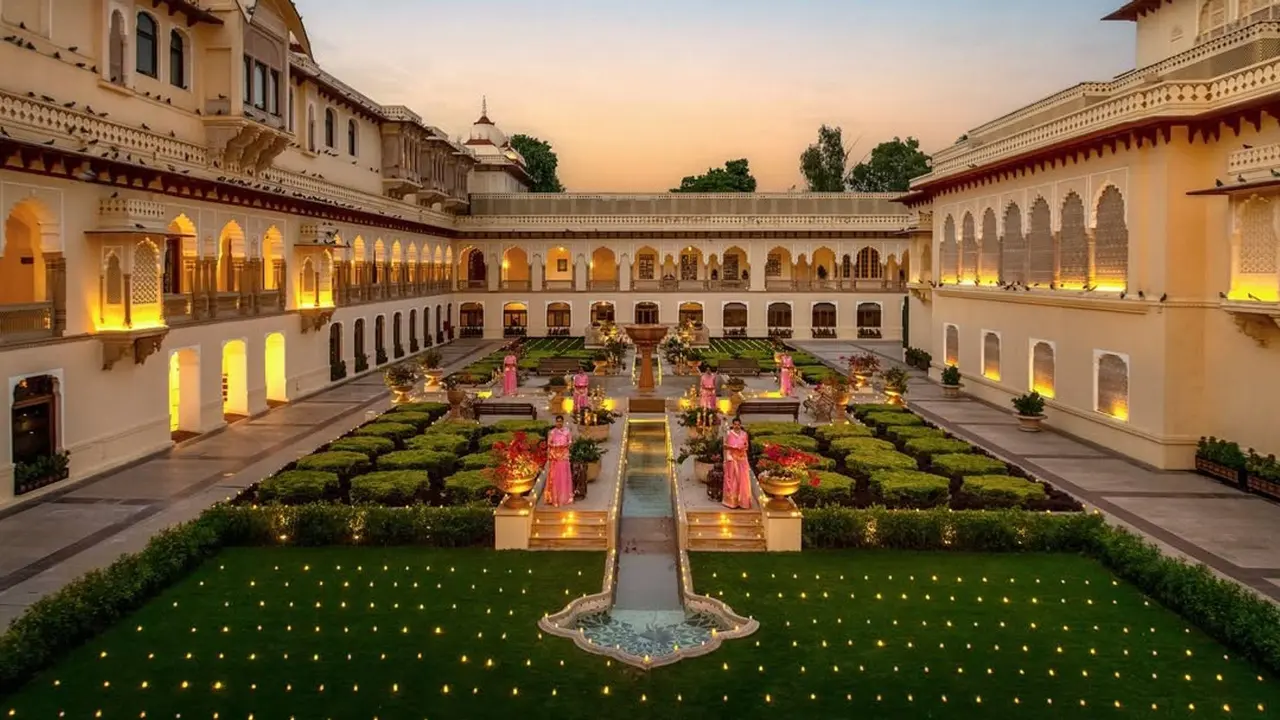
India offers an extraordinary range of luxury travel experiences. From private palace stays in Rajasthan and exclusive wildlife lodges to backwater retreats in Kerala and carefully planned journeys through the Golden Triangle, the country can accommodate many different styles of high-end travel.
However, one important question often arises when planning a luxury India trip: what does luxury actually include, and how much should you expect at different price levels?
The term luxury India tours can describe very different experiences. One itinerary may include excellent five-star hotels and private transfers, while another may offer heritage palace accommodation, specialist guides, private experiences and highly personalised service.
Understanding these differences makes it easier to choose an itinerary that suits your expectations, travel style and budget.
In this guide, we explain what different levels of luxury travel in India can include, which factors influence the overall cost, and what to check before booking your journey.
What Makes a Tour of India a Luxury Experience?
Luxury travel is not simply about staying in expensive hotels. It is about the quality, comfort and personalisation of the complete journey.
A well-designed luxury India tour may include:
Carefully selected luxury hotels, heritage properties and resorts.
Private air-conditioned vehicles and professional chauffeurs.
Experienced local guides and destination specialists.
Flexible sightseeing schedules rather than rushed group tours.
Restaurant recommendations and selected dining experiences.
Personalised itineraries based on individual interests.
Assistance with transfers, reservations and travel arrangements.
The most important distinction is the level of attention given to the traveller. A luxury itinerary should feel thoughtfully organised, comfortable and flexible.
If you are comparing different India luxury tour packages, look beyond the hotel category and examine exactly what is included in the quoted price.
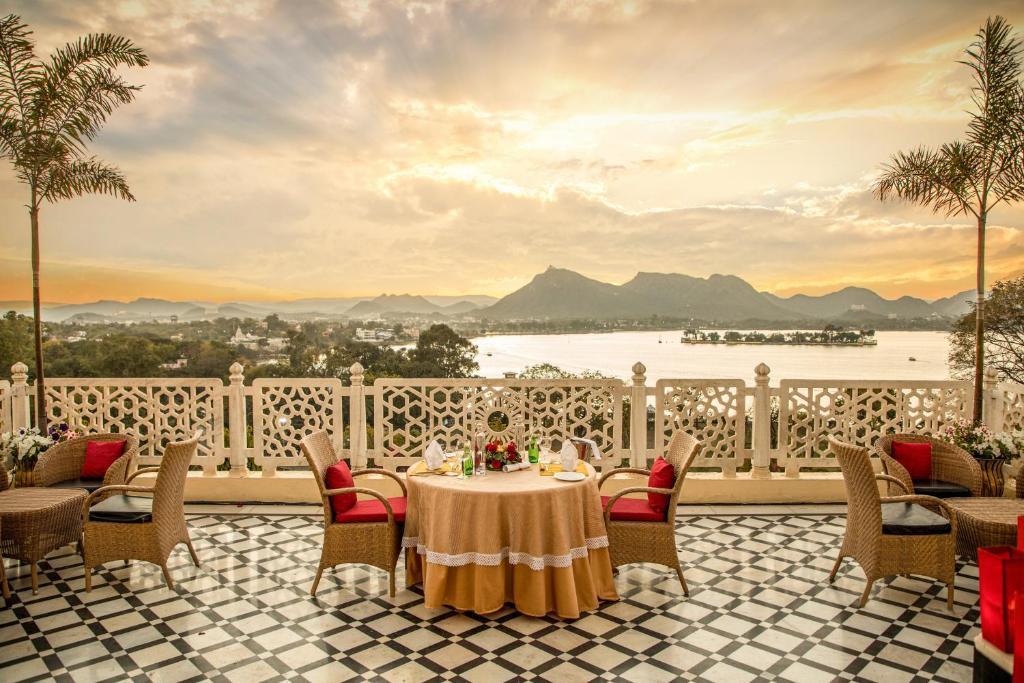
Three Levels of Luxury India Tours: What Can You Expect?
There is no universal pricing structure for luxury travel in India. Costs depend on the season, destinations, hotel availability, duration, group size and personal preferences.
However, it is useful to understand three broad levels of luxury travel.
1. Entry-Level Luxury: Comfort and Convenience
Entry-level luxury is suitable for travellers who want a comfortable, well-organised private holiday without necessarily choosing India's most exclusive hotels.
A typical itinerary may include:
Quality four- or five-star accommodation.
Private air-conditioned vehicle for road transfers and sightseeing.
English-speaking local guides.
Breakfast at the hotel.
Assistance with airport transfers and itinerary coordination.
Visits to major attractions at a comfortable pace.
This level works particularly well for first-time visitors exploring Delhi, Agra and Jaipur.
It offers a significant improvement over standard group travel because you have greater control over your schedule, private transport and a more personalised experience.
2. Upper-Level Luxury: Premium Hotels and Personalised Experiences
Upper-level luxury is designed for travellers who want more than comfortable accommodation and private transport.
It may include:
Premium five-star hotels and well-regarded heritage properties.
Luxury resorts in selected destinations.
Private guided sightseeing and specialist local experiences.
Carefully selected restaurants and dining arrangements.
More flexible itineraries and additional personal assistance.
Upgraded transfers and selected exclusive activities.
For example, a Rajasthan itinerary could combine stays in heritage hotels, guided exploration of Jaipur's historic attractions and a private experience arranged around local culture.
In Kerala, the same travel level could involve a premium backwater resort, a private houseboat experience and time at a carefully selected wellness retreat.
The emphasis is on creating a more distinctive journey rather than simply upgrading the hotel.
3. Ultra-Luxury: Exclusive Stays and Bespoke Travel
Ultra-luxury travel is designed around individual preferences. It is particularly suitable for travellers who value exclusivity, privacy and highly personalised arrangements.
Depending on the itinerary, inclusions may feature:
India's most exclusive palace hotels and luxury resorts.
Private villas or premium suites.
Dedicated travel assistance and specialist guides.
Private cultural, culinary or wildlife experiences.
Premium transport arrangements.
Carefully coordinated special occasions and celebrations.
Greater flexibility throughout the journey.
For instance, a traveller might combine a palace stay in Rajasthan with a private wildlife experience in Central India and a luxury retreat in Kerala.
These arrangements are generally more complex to organise, and availability can be limited during popular travel periods.
Luxury India Tours Compared: What Changes at Each Level?
The following table offers a general comparison. Actual inclusions depend on the tour operator, hotel selection and itinerary.
| Feature | Entry-Level Luxury | Upper-Level Luxury | Ultra-Luxury |
|---|---|---|---|
| Accommodation | Quality 4- or 5-star hotels | Premium 5-star and heritage hotels | Exclusive palace hotels, resorts or villas |
| Transport | Private air-conditioned vehicle | Upgraded private transport | Premium or bespoke transport arrangements |
| Guides | Local professional guides | Experienced specialist guides | Specialist guides and tailored arrangements |
| Experiences | Major sightseeing | Selected private experiences | Highly personalised and exclusive experiences |
| Dining | Hotel breakfast and selected meals | Premium dining arrangements | Bespoke culinary experiences |
| Flexibility | Private itinerary | More itinerary customisation | Highly personalised itinerary |
| Service | Standard private-tour assistance | Enhanced coordination | Dedicated and highly personalised support |
The key point is that a higher price should correspond to meaningful improvements in accommodation, experiences, service or flexibility.
Which Destinations Should You Include in a Luxury India Trip?
India's size and diversity make destination selection especially important. Rather than trying to cover too many places, consider building an itinerary around the experiences that matter most to you.
Rajasthan: Palaces, Heritage and Royal Hospitality
Rajasthan is one of India's most recognisable luxury travel destinations. Jaipur, Udaipur, Jodhpur and Jaisalmer offer heritage architecture, historic forts, palace hotels and distinctive cultural experiences.
A luxury Rajasthan itinerary can include:
Stays in heritage and palace properties.
Private guided tours of forts and palaces.
Traditional dining experiences.
Visits to local markets and craft communities.
Scenic journeys through historic cities.
Delhi and Agra: The Golden Triangle
The Golden Triangle connects Delhi, Agra and Jaipur. It is one of the most popular routes for international visitors who want to experience India's history, architecture and culture.
A luxury version can include private sightseeing, comfortable transfers, carefully selected hotels and flexible time at major attractions such as the Taj Mahal.
For travellers considering this route, our guide explains what the Golden Triangle tour is and why you should visit.
Kerala: Backwaters, Wellness and Nature
Kerala offers a different kind of luxury experience. Its appeal lies in its peaceful landscapes, backwaters, beaches, wellness retreats and slower pace of travel.
Possible experiences include:
Luxury backwater resorts.
Private houseboat journeys.
Ayurveda and wellness programmes.
Plantation and nature experiences.
Relaxing stays along the coast.
Central India: Wildlife and Exclusive Nature Experiences
For travellers interested in wildlife, Central India offers opportunities to explore national parks and tiger reserves.
A luxury wildlife itinerary may include high-quality jungle lodges, guided safaris and a carefully planned combination of wildlife and cultural destinations.
For additional destination inspiration and official information about India's travel experiences, explore the Incredible India tourism website.
What Factors Actually Affect the Cost of Luxury Trips to India?
Two itineraries covering similar destinations can have very different costs. The difference usually comes down to several factors.
1. Hotel Category and Property Selection
Accommodation is often one of the biggest contributors to the overall cost.
A standard luxury hotel, a heritage palace and an exclusive private villa offer very different experiences and price points.
2. Travel Season
The time of year can influence hotel rates, availability and the overall travel experience.
Popular destinations may be more expensive during peak travel periods. Booking early can help secure preferred hotels and room categories.
Travellers researching their trip can also consult the Indian Ministry of Tourism's official tourism data portal for broader tourism statistics and information.
3. Transport and Distance
India is a large country, and the cost of travelling between destinations can vary considerably.
Private road transfers, domestic flights, premium vehicles and longer-distance journeys all influence the final quotation.
4. Private Experiences
A standard sightseeing itinerary will generally cost less than one that includes specialist guides, private cultural experiences, exclusive dining arrangements or other customised activities.
5. Group Size and Trip Duration
The number of travellers and the length of the holiday also matter.
A private vehicle and guide shared by a family or small group may have a different per-person cost compared with a solo traveller using the same arrangements.
How to Choose the Right Luxury India Trip
Before selecting a tour, consider what matters most to you.
Start with your travel priorities. Decide whether your main interests are history, architecture, wildlife, wellness, food, photography or relaxation.
Choose destinations carefully. Avoid trying to cover the entire country in one trip. A well-paced itinerary is usually more rewarding than a schedule filled with constant transfers.
Compare hotel inclusions. Check the exact property, room category, meal plan and cancellation conditions.
Understand transport arrangements. Confirm whether the quotation includes private transfers, sightseeing transport, domestic flights and airport assistance.
Ask about guide arrangements. Find out whether guides are included at each destination and whether specialist guides can be arranged.
Request a detailed quotation. A transparent proposal should clearly explain what is included, what is excluded and which services carry additional charges.
For more ideas about personalising your itinerary, read our guide to tailored luxury India tour packages for a unique adventure.
What Should You Check Before Booking?
Before confirming your luxury India tour, ask the operator these questions:
Which hotels and room categories are included?
Is private transport provided throughout the itinerary?
Are local guides included at each destination?
Which meals, activities and entrance fees are covered?
Are domestic flights included where required?
What is the cancellation and refund policy?
Are there additional charges for optional experiences?
Who will assist if travel arrangements change during the trip?
A detailed written itinerary helps prevent misunderstandings and makes it easier to compare different proposals.
You can also explore our article on the best luxury experiences in India you should not miss.
Conclusion: Find the Luxury India Tour That Matches Your Expectations
Luxury India tours can range from comfortable private journeys to highly exclusive holidays built around individual preferences.
The right choice depends on the accommodation, destinations, transport, experiences and level of personalisation you expect.
Rather than choosing an itinerary based only on its price or hotel category, examine the complete experience and compare the actual inclusions.
A thoughtfully planned journey can make exploring India's historic cities, royal heritage, natural landscapes and cultural traditions both comfortable and memorable.
Frequently Asked Questions About Luxury India Tours
1. What is included in a luxury India tour?
A luxury India tour may include premium accommodation, private transport, professional local guides, sightseeing, selected meals and personalised itinerary planning. Exact inclusions vary by operator and package.
2. What is the difference between a luxury and a standard India tour?
A standard tour may use shared transport, fixed schedules and conventional accommodation. A luxury tour generally offers better accommodation, private transport, more flexible sightseeing and greater personalisation.
3. Which destinations are best for luxury travel in India?
Popular choices include Rajasthan, Delhi, Agra, Kerala and Central India. The best destinations depend on whether you prefer heritage, culture, nature, wildlife or relaxation.
4. How many days are enough for a luxury India trip?
Around 10–14 days can work well for a first-time itinerary covering several major destinations. Longer trips allow travellers to explore regions at a more relaxed pace.
5. Are private guides included in luxury India tours?
Many private luxury tours include local guides, but the arrangements differ. Confirm whether guides are included at every destination or only for selected sightseeing activities.
6. Is a luxury India tour suitable for families?
Yes. Private itineraries can be adapted to family interests, travel pace, accommodation requirements and activities suitable for different age groups.
7. When is the best time to plan a luxury India trip?
The best time depends on the regions you want to visit. October to March is generally popular for many North Indian destinations, while other regions have different seasonal considerations.
8. How can I compare luxury India tour packages?
Compare the exact hotels, room categories, transport, guides, meals, activities, exclusions, cancellation policies and level of itinerary customisation. A detailed quotation is more useful than comparing headline prices alone.